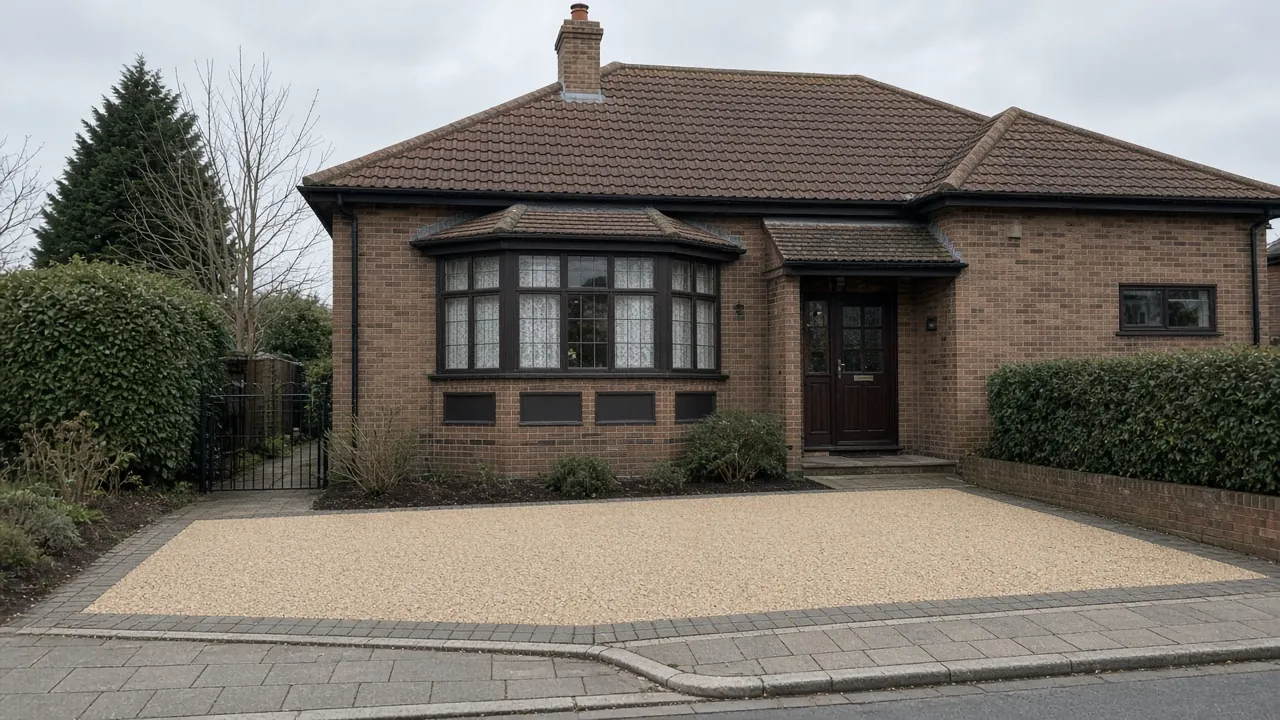
Zetland's semis and streets
Zetland shares its name with Redcar's famous lifeboat. Built in 1802 by Henry Greathead of South Shields and named after the Earl of Zetland, the local lord of the manor, the Zetland is the oldest surviving lifeboat in the world. It is on show in the Grade II listed Zetland Lifeboat Museum and Redcar Heritage Centre on the Esplanade, a short walk north-west of the ward.
The ward itself is residential. Coast Road (the A1085) runs along its seaward side towards Redcar East station, with tree-named streets such as Laburnum Road and Hawthorn Road inland, and Zetland Park as the local green space. Houses are mostly brick semis with front gardens and drives of varying ages.
The 2021 Census for the Zetland ward counted 1,982 households: 73% semi-detached, the highest share of any Redcar ward, with 23% terraced, 3% detached and just 1% flats. About 22% had no car or van and 32% had two or more. Some 73% were owner-occupied.
Typical Zetland frontages:
- Single drives beside semis, many originally concrete, which have cracked or settled.
- Front gardens wide enough to add a second space with a wider crossing.
- Shared boundaries between pairs of semis, where levels, edging and drainage need agreeing.
- Terraced rows where a front lawn could become a single parking space.
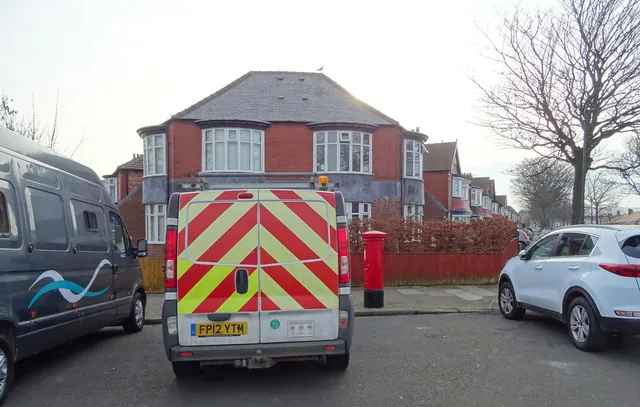
Clay ground and flood zones
The British Geological Survey maps Zetland on glacial till, a dense clay, over Redcar Mudstone. Clay drains slowly, so a drive needs a compacted stone sub-base on a geotextile membrane, laid to fall away from the house, with rainwater sent to a lawn, a border or a soakaway designed for clay.
The Environment Agency's flood map shows several Flood Zone 3 and Flood Zone 2 areas within about 400 metres of the ward centre (postcode TS10 3NS). That does not mean every house is at risk, but it is a good reason to look up your address on the flood map for planning and to avoid adding sealed surface that drains into the road.
Permission and the crossing
Planning. Zetland has no conservation area. For a house, a permeable front drive, or one draining into the garden, does not need planning permission. Over five square metres of impermeable surface draining to the road does. Flats need permission for front-garden hardstanding.
The dropped kerb. Widening a drive usually means widening the crossing as well. Redcar and Cleveland Council says a crossing is needed for vehicle access to protect both the footway and vehicles, and its online form is for the property owner to complete. The council does not publish a fee on that page. It checks the space is deep enough for a car not to overhang the footway and looks at junctions, sight lines and street furniture. On Coast Road, a main road, expect more scrutiny of visibility. Our dropped kerbs page explains the steps.
Neighbours. On a pair of semis, talk to next door before changing levels at the shared boundary, and keep water draining onto your own land.
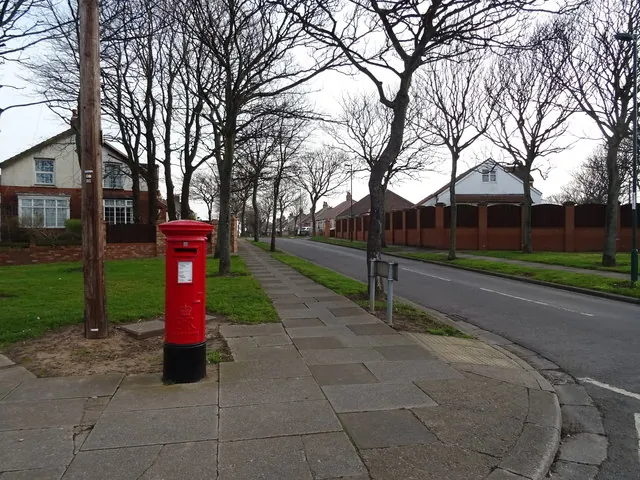
Sizing a Zetland drive
A replacement single drive beside a semi is often 20 to 25m². A two-car frontage is usually 30 to 35m². Tarmac and block paving are the usual like-for-like swaps for a tired drive, resin bound suits a two-car front where a smooth, porous finish matters, and gravel in a grid is the lowest-cost permeable option. Whatever the surface, near the flood zones we pay extra attention to where the water goes.
Breaking out old concrete, disposal, new edgings and drainage channels are all part of the job. Widening the crossing comes on top, and the council's assessment sets that figure in Redcar. For homes near the sea, our coastal driveways guide covers salt and wind; for a like-for-like swap see tarmac or block paving.
Nearby areas
- West Dyke: to the west, with more detached homes and Redcar Racecourse.
- Wheatlands: to the south, with modern detached houses and double drives.
- Coatham: beyond the town centre, with Victorian terraces and a conservation area.
Browse all areas on our areas page.
Questions people ask in Zetland
Can I widen my Zetland drive for a second car?
Usually. A permeable surface avoids planning permission for a house, and the property owner then applies to Redcar and Cleveland Council to extend the dropped kerb. Measure first so the space is deep enough for a car not to overhang the footway.
Is Zetland at risk of flooding?
Some parts of the ward are near mapped Flood Zone 2 and 3 areas. Check your own address on the Environment Agency's flood map, and use a permeable surface or drainage into the garden so a new drive does not add runoff.
Is it worth replacing an old concrete drive?
If slabs have cracked, rocked or sunk, replacing on a new base usually lasts far longer than patching. A resin overlay only suits a sound base, so lifting a test section first is sensible.
Does a drive on Coast Road need different approval?
The same dropped kerb application applies, but on a main road the council looks harder at visibility and how cars will pull in and out. Turning space within the drive can help.
Sources: ONS Census 2021, Zetland ward (TS044, TS045, TS054 via Nomis); Wikipedia: Zetland (lifeboat), oldest surviving lifeboat, 1802; Historic England listed buildings via planning.data.gov.uk; BGS Geology Viewer, 1:50,000; Environment Agency flood map for planning; Redcar and Cleveland Council: dropped kerbs; GOV.UK: permeable surfacing of front gardens.